
From 7,000 nuts to 28,000+ nuts per acre, per year
Neglected plantations typically yield 7,000 to 9,000 nuts. With per-tree monitoring, drip fertigation and the right variety choice, our country (tall) varieties deliver up to 250 mature nuts per tree per year, and hybrid varieties deliver up to 400 tender coconuts per tree per year, that is 17,500 to 28,000+ nuts per acre on 70 trees, within 18 to 30 months.
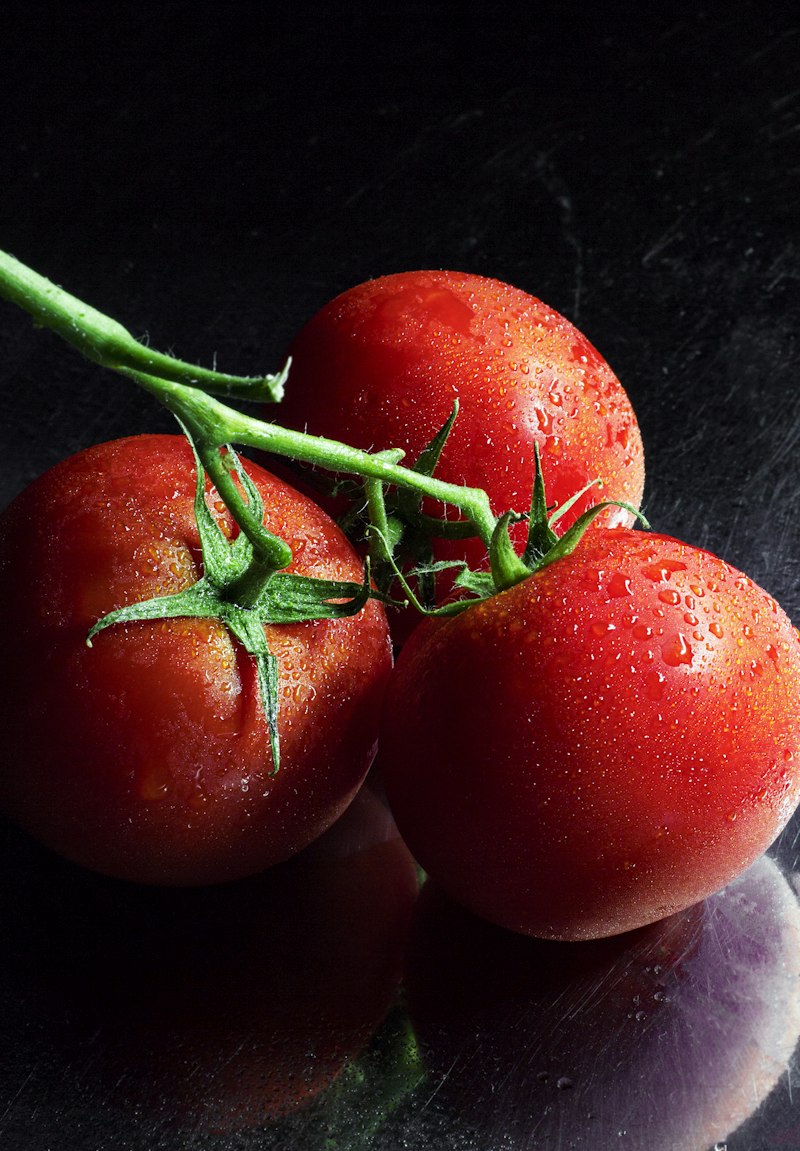
From 20 tonnes to 80–120 tonnes per acre, per year
Open-field tomato rarely crosses 20 to 25 tonnes per acre. A climate-controlled polyhouse with drip fertigation, hybrid F1 varieties and staking can deliver 80 to 120 tonnes across 2 to 3 cycles a year, at export-grade quality.
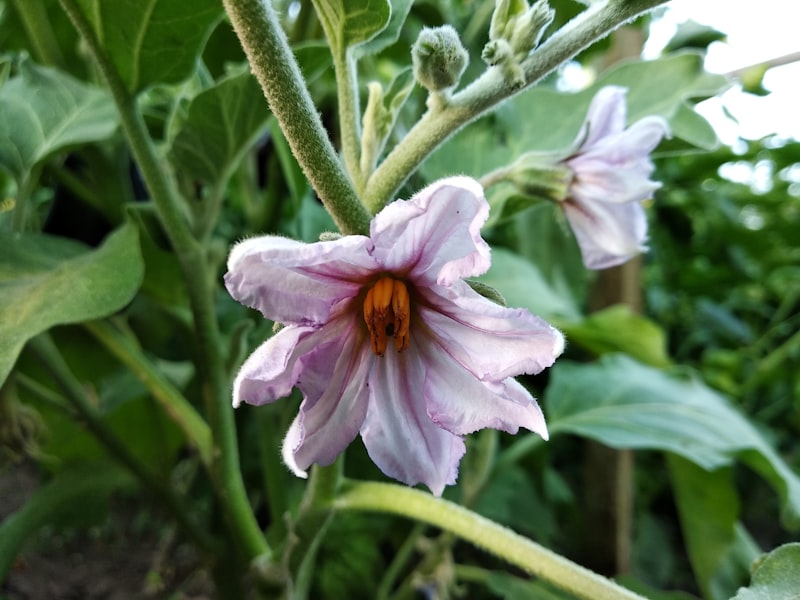
From 14 tonnes to 30+ tonnes per acre, per cycle
Most open-field brinjal yields 12 to 18 tonnes per cycle. With hybrid varieties, drip fertigation, staking and a scientific IPM plan for shoot and fruit borer, 25 to 40 tonnes per cycle is achievable. Two cycles a year at the right location.
150 to 250 kg dry nuts and mace per acre, per year
Nutmeg is a 50-plus-year productive tree that rewards patience. Mature plantations typically yield 60 to 80 kg per acre, but with variety selection, shade management, consistent nutrition and banana or pepper intercropping, 150 to 250 kg per acre is realistic. Fully grown nutmeg trees can deliver Rs. 5 to 12 lakh per acre per year, the actual range depends on climate support, rainfall pattern and region.

From 1.8 tonnes to 3+ tonnes per acre, per year
Conventional arecanut plantations yield 1.5 to 2 tonnes of dry nuts per acre. With drip fertigation, per-tree monitoring, koleroga prevention and cocoa or pepper intercropping, 2.5 to 3.5 tonnes is achievable, plus a second revenue stream from the intercrop.
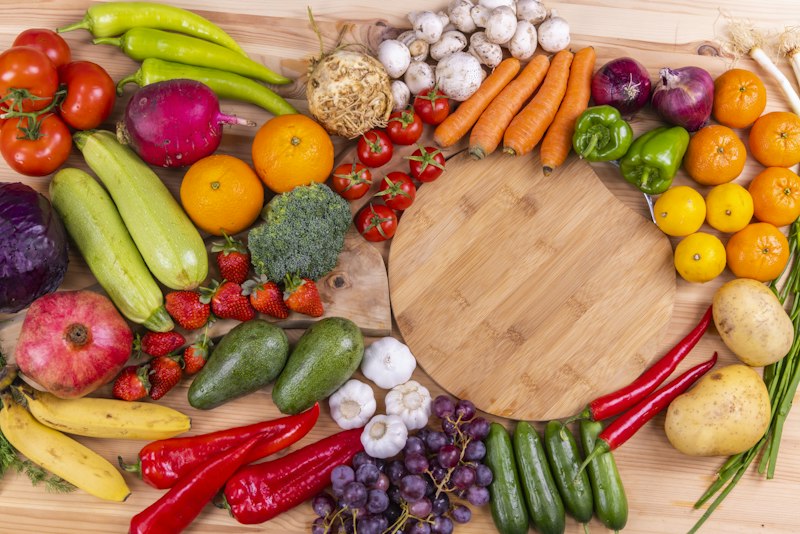
Rs. 2.5 to 5 lakh per acre, per cycle
Open-field vegetables (chilli, okra, coriander, methi, palak) typically return 1 to 2 lakh rupees per acre per cycle. With drip fertigation, shade nets, the right variety selection and satellite weather-driven spraying, 2.5 to 5 lakh per cycle is realistic. Two to three cycles per year.
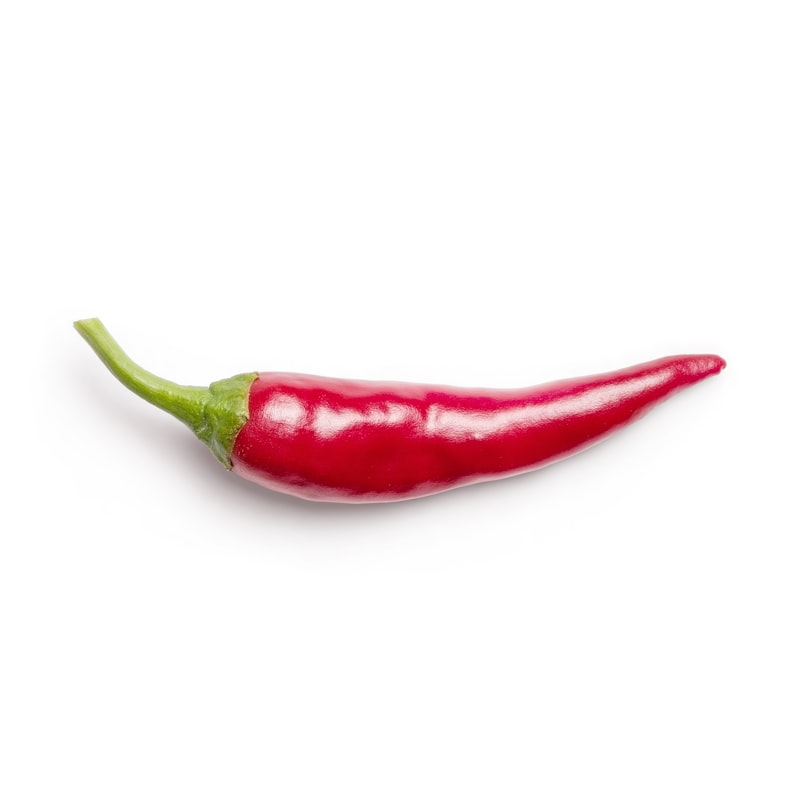
From 12 tonnes to 80–100 tonnes per acre, per year
Open-field capsicum rarely crosses 12 to 15 tonnes per acre, mostly green grade. A climate-controlled polyhouse with drip fertigation, coloured hybrids (red and yellow) and high-wire trellising can deliver 80 to 100 tonnes a year at export-grade quality and premium pricing.

From 6 tonnes to 60+ tonnes per acre, per cycle
Conventional turmeric averages 6 to 8 tonnes of fresh rhizomes per acre. With our polyhouse trough method, planting up to 30,000 plants per acre in elevated troughs with drip fertigation, certified disease-free seed and stage-wise nutrition, we consistently achieve 2 kg per plant, that is 60+ tonnes fresh (10+ tonnes dry) per 9-month cycle, with premium curcumin content for export and Ayurvedic buyers.

From 25 to 60+ tonnes per acre, per cycle
Conventional banana yields 25 to 30 tonnes per acre. With tissue-cultured suckers, drip fertigation, bunch covers and a tight 12 to 14 month cycle, 50 to 60+ tonnes is achievable, at export-grade quality and uniform finger size.
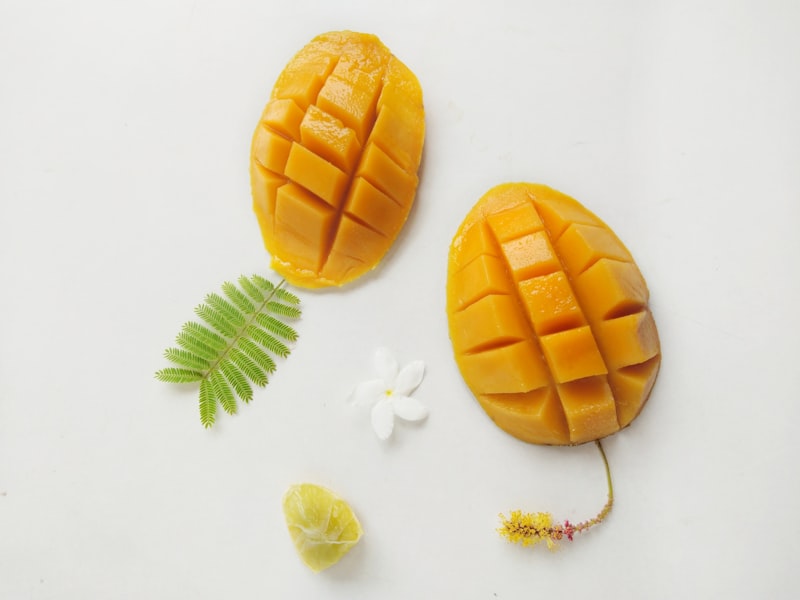
From 3 to 12+ tonnes per acre, per year
Traditional mango orchards yield 3 to 5 tonnes per acre. With high-density planting, careful pruning and off-season induction techniques, 10 to 12+ tonnes is realistic, putting Indian mango on par with Israel and Mexico in productivity.
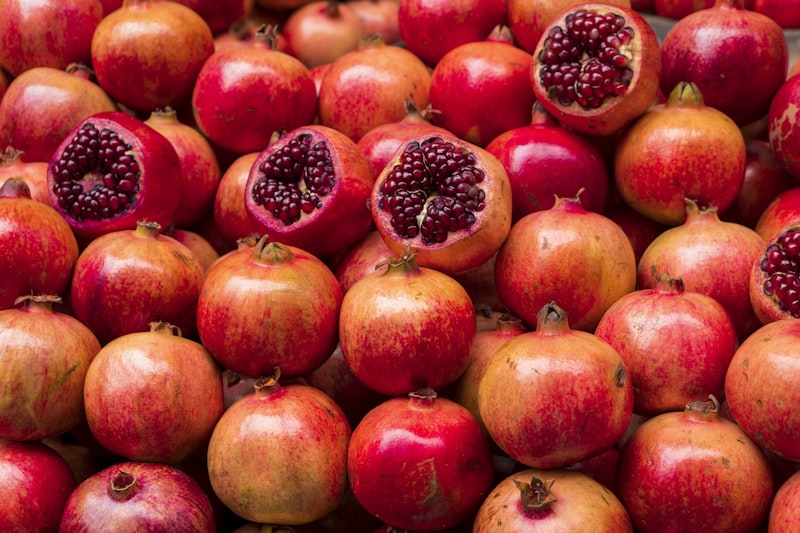
From 6 to 20+ tonnes per acre, per year
Most pomegranate orchards yield 6 to 10 tonnes per acre. With Bhagwa variety on drip fertigation, fruit bagging and a real pest plan, 15 to 20+ tonnes is achievable, matching Spain and out-yielding Iran.
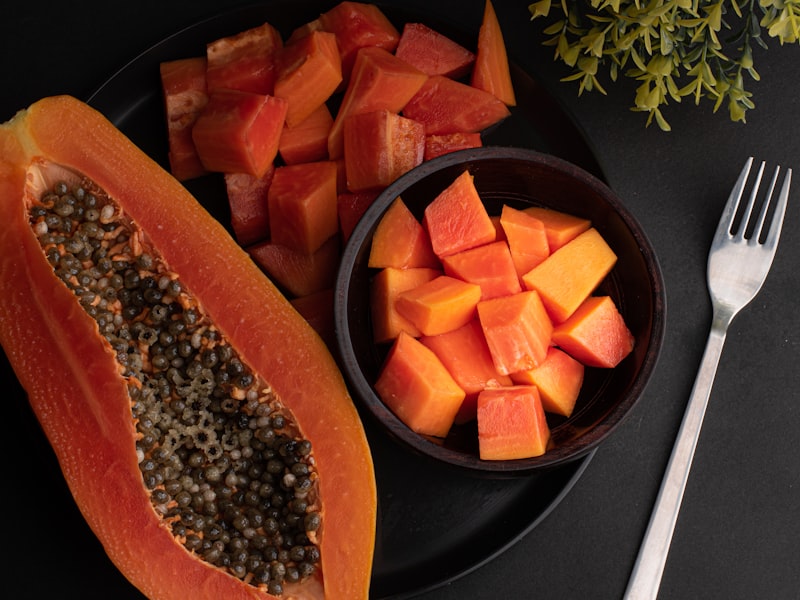
From 30 to 80+ tonnes per acre, per cycle
Open-field papaya rarely crosses 30 to 40 tonnes per acre. The Red Lady hybrid with drip and plastic mulch delivers 60 to 80+ tonnes within 9 to 12 months, with year-round fruiting once established.
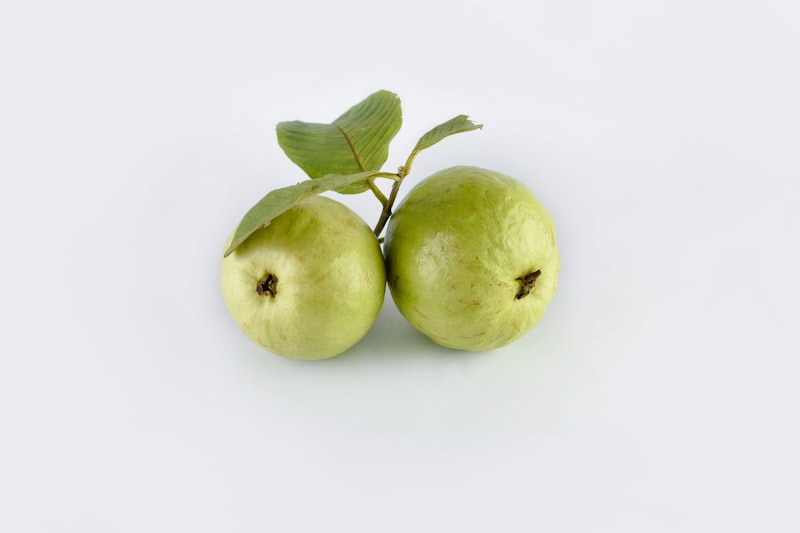
From 6 to 25+ tonnes per acre, per year
Traditional guava yields 6 to 10 tonnes per acre. With high-density planting at 1,000 trees per acre, Allahabad Safeda or Lalit variety and annual canopy pruning, 20 to 25+ tonnes is realistic, on par with Egypt and Mexico.
From 8 to 30+ tonnes pods per acre, per year
Most drumstick farms yield 8 to 12 tonnes pods per acre. With PKM-1 variety and an annual hard prune, 25 to 30+ tonnes is achievable across two to three flushes a year, at export-grade pod quality plus leaf and seed revenue.
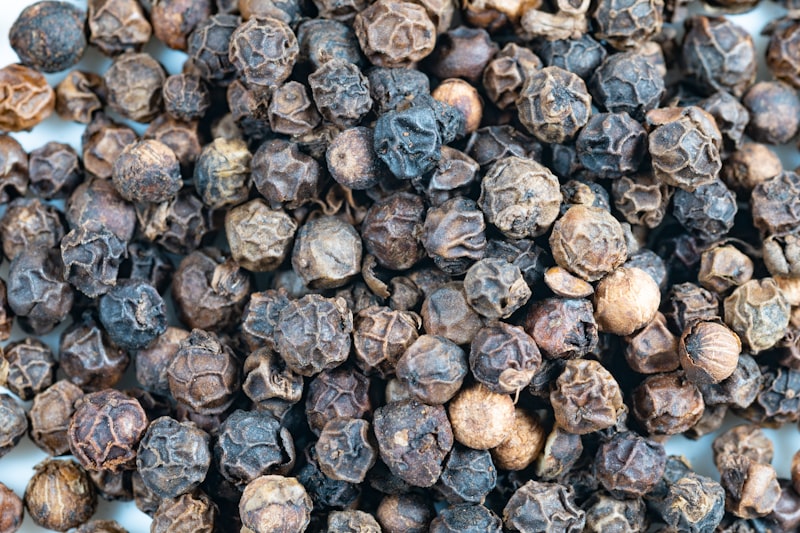
From 150 to 800+ kg per acre, per year
Indian pepper averages 150 to 300 kg dry per acre. With Panniyur or Karimunda on areca-tree trellis, certified disease-free vines and a real Phytophthora plan, 600 to 800+ kg is realistic, closing the gap to Vietnam.
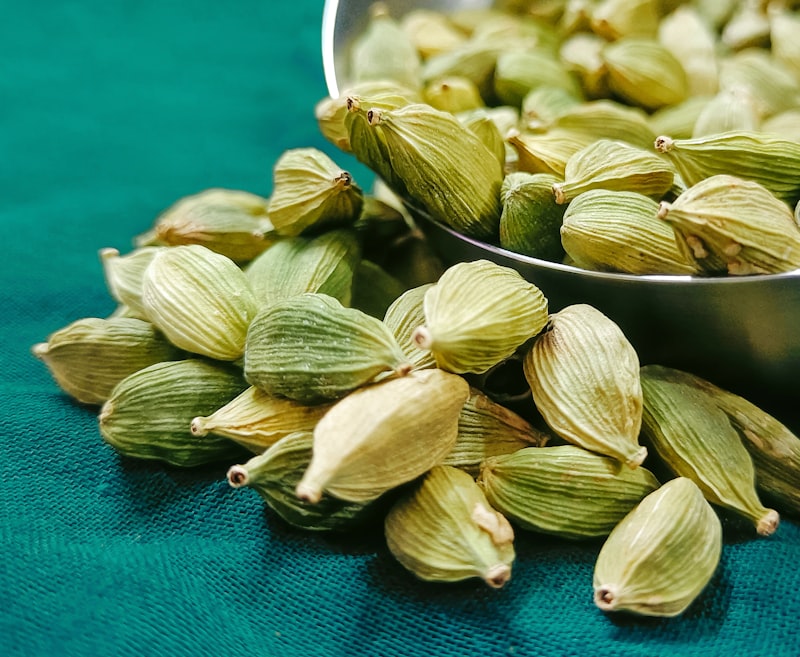
From 80 to 350+ kg per acre, per year
Most cardamom plantations yield 80 to 150 kg dry per acre. The Njallani green-gold variety with the right shade balance, drip irrigation and capsule drying gets 300 to 350+ kg, on par with Guatemala.
These ranges reflect realistic targets under a well-executed precision-farming plan on suitable land and water. Actual results depend on soil, microclimate, crop variety and grower commitment. We are a new company, so instead of quoting client numbers we cannot yet stand behind, we publish the potential our systems are designed to deliver and work with you to reach it.